How Modern Shipping and Marine Operations Keep Trade Moving.
23 October, 2024· Article by David Brown


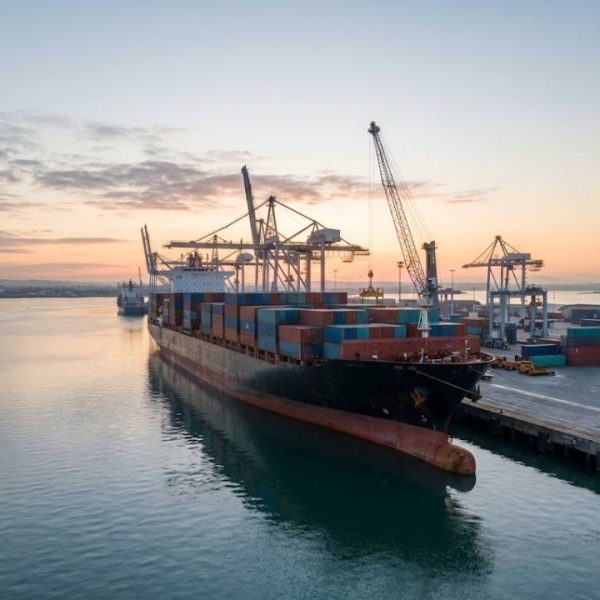
Most of the goods we use every day travelled by sea. Phones, food, clothing and fuel pass through ports and across oceans before reaching us. This article explains how shipping and marine operations work and why they matter for the global economy.
Why Ships Carry Most World Trade
Ships move large volumes at a lower cost per tonne than any other mode. Without maritime transport, global supply chains would slow and prices would rise sharply. That scale makes shipping the quiet backbone of trade.
Different Types of Vessels
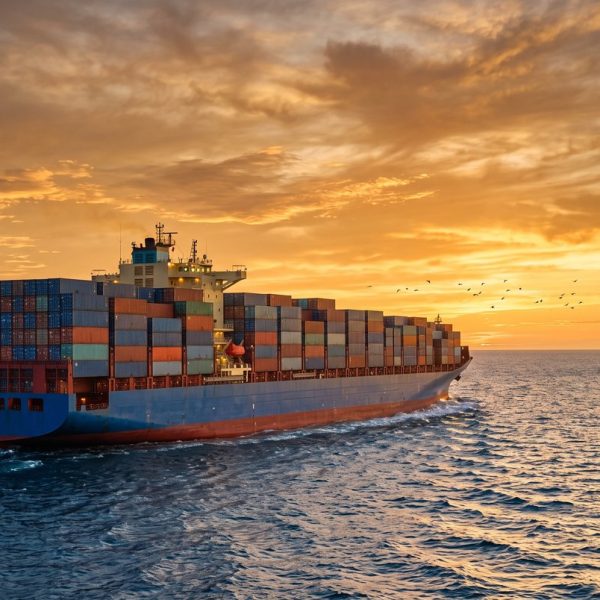
Container ships carry boxed goods, bulk carriers move grain and ore, tankers transport oil and chemicals, and ferries link communities. Each design is built for a specific cargo and route.
How Ports Work
Ports are busy hubs where cranes, trucks, trains and customs teams meet. Efficient scheduling reduces waiting time, and digital systems help coordinate arrivals, berths and cargo handling.
The Role of Containers
Standard steel containers transformed trade by allowing cargo to move between ships, trains and trucks without repacking. This simple idea cut costs and speeded deliveries across the world.
Life Aboard a Vessel
Crews live and work at sea for weeks or months. They follow watch schedules, maintain machinery and manage cargo. Teamwork and discipline are essential in a confined, moving workplace.
Navigation and Technology
Radar, satellite positioning and electronic charts guide ships safely. Weather routing helps captains avoid storms and save fuel. Technology supports skilled seafarers rather than replacing their judgement.
Safety at Sea
International rules require lifeboats, training and regular drills. Crews practise fire, rescue and abandon ship procedures. The International Maritime Organization sets global standards for safety and pollution prevention.
Protecting the Marine Environment
Shipping companies are adopting cleaner fuels, improved hull designs and waste controls. Reducing emissions and protecting oceans is now a major priority for operators and regulators.
Fuel Efficiency Matters
Slower speeds, clean hulls and better route planning reduce fuel use. Even small improvements save money and cut emissions across large fleets, making efficiency attractive for business and nature alike.
Maintenance Keeps Fleets Running
Regular inspections and planned repairs prevent breakdowns. Dry docking allows crews to check hulls and propellers. Good maintenance extends vessel life and protects people on board.
Supply Chain Coordination
Shipping depends on accurate information about timing, customs and cargo. Delays at one port ripple through the network, so planners share data constantly to keep goods moving.
Working Across Languages
Crews and port staff come from many countries, and contracts and manuals must be understood by all. Accurate english to hebrew translation helps companies working in Israel and with Hebrew speaking partners.
Recording and Reviewing Operations
Safety briefings, inspections and interviews are often recorded. Reliable audio and video transcription turns these recordings into searchable text for audits, training and incident reviews.
Marine Insurance and Risk
Insurers assess vessel condition, routes and crew training. Strong safety records reduce premiums. Risk management protects cargo owners, shipping lines and the people who work at sea.
Customs and Documentation
Bills of lading, packing lists and certificates accompany cargo. Errors cause delays and fines, so exporters check details carefully and submit documents through digital platforms where available.
Piracy and Security Measures
Some regions require extra vigilance. Ships follow security procedures, share information with naval forces and use agreed routes. Preparation and cooperation help keep crews and cargo safe.
Training the Next Generation
Maritime academies teach navigation, engineering and logistics. Cadets complete sea service to gain experience. A growing industry needs skilled young people from many backgrounds.
Women in Maritime
The industry has historically been male dominated, but programmes now encourage more women to train as officers, engineers and port managers. Diverse crews bring broader skills and perspectives.
Small Boats and Coastal Trade
Not all shipping is global. Coastal vessels, barges and fishing boats serve local communities and smaller ports, supporting jobs and delivering supplies where roads are limited.
Climate and Changing Routes
Rising sea levels, storms and shifting ice affect routes and ports. Operators study climate data to plan investments and protect infrastructure for the decades ahead.
Digital Tools and Tracking
Shippers can track containers in near real time, and port systems share arrival data. Visibility helps companies plan stock, reduce waste and respond calmly to disruptions.
What Consumers Can Do
Choosing durable products, reducing waste and supporting responsible brands lowers demand for unnecessary shipments. Small decisions at the shop eventually influence the movement of cargo.
Looking Ahead
Autonomous vessels, alternative fuels and smarter ports are under development. Change will be gradual, but the goal is clear: safe, efficient and cleaner transport of the goods people rely on.
Teamwork Between Ship and Shore
Captains, port agents, pilots and planners exchange updates throughout every voyage. Clear, timely communication prevents misunderstandings and keeps schedules realistic when weather or traffic changes.
Respect for Seafarers
Crews spend long periods away from family. Fair contracts, reliable internet and shore leave support wellbeing, and the public should remember the people who make every delivery possible.
Final Thoughts
Shipping rarely makes headlines, yet it touches every home. Understanding how vessels, ports and crews work together helps us appreciate the effort behind every delivery and the importance of safe, sustainable marine operations.
Recent Posts
Why Clear Communication Keeps ...
Der Hamburger Hafen zwischen K...
Le transport maritime face au ...
How a Container Ship Works: In...

Notizie Navi Che Muovono Il Co...

Actualites Navires Qui Influen...
Share it.

Links
We use cookies
We use cookies to give you the best online experience, remember your preferences, and understand how the site is used. You can accept all cookies, reject optional ones, or choose which categories to allow.
Privacy PolicyCookie preferences
Choose which cookies we can use. Necessary cookies stay on because the site cannot work without them.
For more details, read our Privacy Policy.