How a Container Ship Works: Inside the Floating Giants That Carry World Trade.
05 August, 2026


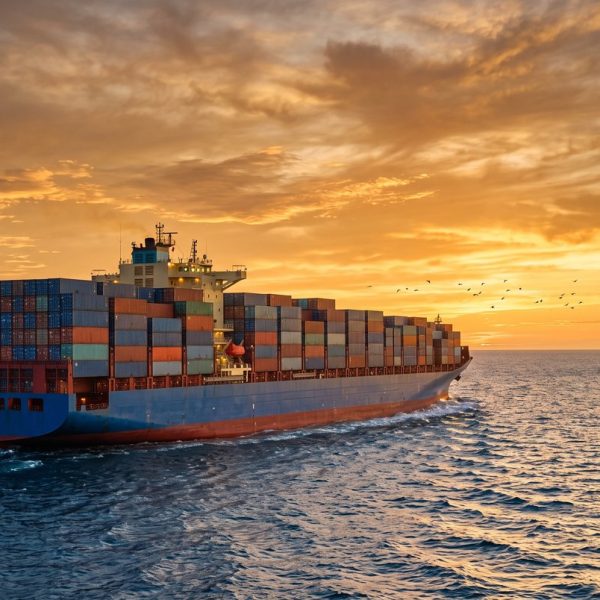
Stand at any major port and the scale takes a moment to process. A modern container ship is longer than four football fields, taller than an office block, and loaded with enough goods to stock a small city. Roughly ninety percent of world trade still travels by sea, and the sneakers, phones, and furniture in your home almost certainly spent weeks inside a steel box on one of these vessels. Yet most people have only a vague idea of how the system actually works. It rewards a closer look.
The Box That Changed Everything
The revolution began in 1956, when trucking entrepreneur Malcom McLean loaded 58 metal boxes onto a converted tanker. Before that, longshoremen hand-stacked sacks and crates for days at each port. The standardized container, tracked in units called TEUs (twenty-foot equivalent units), meant a crane could move cargo from ship to truck to train without anyone touching the goods inside. Shipping costs collapsed, and the container ship evolved from a curiosity into the workhorse of globalization in barely two decades.
How Many Containers Fit on a Cargo Ship?
The question of how many containers fit on a cargo ship has a moving answer, because the ceiling keeps rising. A mid-sized vessel carries 8,000 to 12,000 TEU. The largest container ship classes afloat today, such as MSC's newest giants, exceed 24,000 TEU. Stacked on trucks, one such shipload would form a convoy stretching well over a hundred kilometers. Below deck, boxes slot into cell guides like toast in a rack; above deck they are locked together with twist-locks and lashing rods calculated to survive weeks of Atlantic rolling.
The Engine Room
Propulsion is its own superlative. A large cargo ship engine is typically a two-stroke diesel the size of a three-story house, producing up to 80,000 kilowatts while turning a propeller wider than a bus is long. These engines are marvels of efficiency per ton moved, yet the industry's fuel appetite is vast, which is why owners now experiment with LNG, methanol, and even wind-assist rotors, and why most fleets simply steam slower to save fuel, a practice the trade calls slow steaming.
Loading, Balance, and the Port Ballet
A port call that once took a week now lasts less than a day. Planning software decides where every box sits, balancing weight so the hull is not stressed, keeping refrigerated units near power points, and sequencing the stacks so the first port's cargo is on top. Gantry cranes then work several bays at once, often moving thirty or more boxes an hour each. Watching it from the quay feels like choreography, which in a real sense it is: one misplaced heavy container high in a stack can compromise the stability of the entire vessel.
Canals, Chokepoints, and the Panama Squeeze
Trade routes are only as wide as their narrowest passage. The Suez and Panama canals compress weeks of sailing into hours, and the world noticed how fragile that is when a single grounded ship blocked Suez in 2021. Panama tells the same story from another angle: canal traffic is so central to the Panama economy that droughts limiting the locks' water supply ripple straight into global freight rates. Shipowners reroute, pay premium tolls, or sail around entire continents when the chokepoints tighten.
Who Actually Runs the Ship?
For all the automation, a vessel carrying a billion dollars of cargo sails with a crew of only 20 to 25 people: deck officers, engineers, a cook, and a handful of ratings standing watch around the clock. Voyages last months, internet is patchy mid-ocean, and professionals compare notes in forums such as r/maritime, where the unglamorous realities of life at sea, from port-state inspections to engine-room heat, get discussed with dark humor.
A container ship is a closed world with its own hierarchy, and the crew lists that keep it running are among the least examined labour records anywhere. Seafaring remains overwhelmingly male, and the small number of women in the profession report conditions that would not survive scrutiny ashore. Campaigners treat maritime labour as unfinished business for womens rights, precisely because the workplace sits outside any single country's jurisdiction.
What It Costs to Move a Box
The economics explain the scale. Moving a full container across the Pacific can cost less than a business-class airline seat, and in calm markets the sea freight on a single pair of sneakers amounts to pennies. Rates swing wildly, though. During the pandemic squeeze of 2021 a Shanghai to Los Angeles box briefly cost ten times its usual price, and every retailer on Earth felt it within months. That volatility is why shippers sign long-term contracts, why alliances share vessels, and why analysts watch freight indexes the way traders watch oil.
Where the Giants Go to Die
A container ship works hard for 25 to 30 years, then makes one last voyage, often to the beaching yards of South Asia, where it is cut down and recycled almost entirely into scrap steel. The industry is under growing pressure to make that ending cleaner and safer, and newer rules push owners toward certified recycling facilities. Even in death, the giants feed the trade cycle: much of that steel returns as rebar in the ports and warehouses the next generation of ships will serve.
The Paper Trail Behind Every Box
Every container also sails on a sea of documents: bills of lading, customs declarations, dangerous-goods certificates, charter agreements. A single voyage can touch a dozen jurisdictions and as many languages, which is why business document translation is quietly part of the industry's plumbing. A mistranslated customs form can hold a box in port longer than the ocean crossing took. The steel box made cargo universal; the paperwork still has to be made local, port by port.
Recent Posts

Notizie Navi Che Muovono Il Co...

Actualites Navires Qui Influen...

Why the Marine Industry Is Ent...

Noticias Maritimas Clave Que A...

Aktuelle Schiffs Nachrichten D...