Marine Ships and Fleet News Shaping Global Trade Today.
02 February, 2023· Article by David Brown


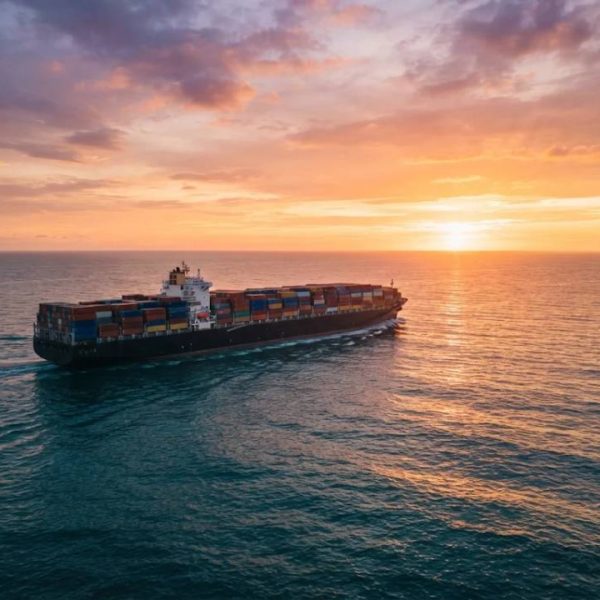
About ninety percent of world trade travels by sea. Container ships, bulk carriers, tankers and ferries move food, fuel, machinery and clothing between continents, and the people who run them rarely make headlines unless something goes wrong. Following marine industry news helps traders, seafarers, students and curious readers understand how this vast network works and where it is heading.
Why Marine News Matters to Everyone
Shipping touches almost every product we buy. A delay in a port, a change in fuel rules or a blocked canal can raise prices on shelves thousands of miles away. Insurance, finance, ports, shipyards and technology companies all depend on the same chain of vessels and cargo.
Marine news explains these links and helps readers judge how global events will affect costs, supply and jobs.
Fleet Trends and New Vessels
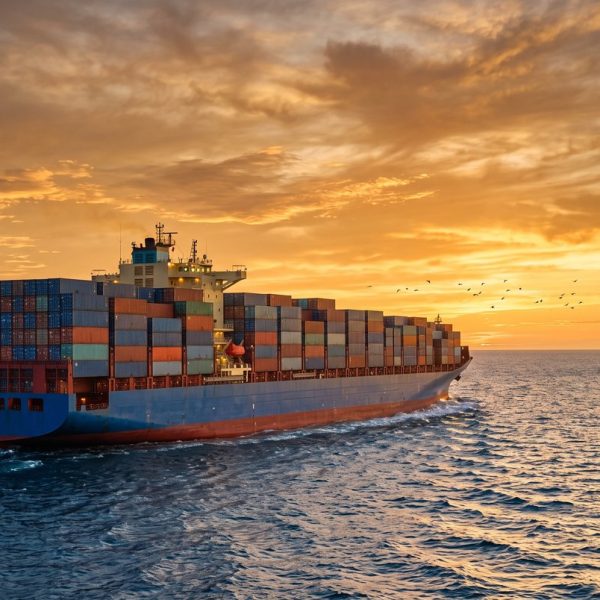
The global fleet keeps growing in size and efficiency. Container ships carry more than twenty thousand boxes, and new designs focus on fuel savings, safety and lower emissions. Shipyards in Asia and Europe compete to build vessels that meet stricter rules.
Fleet renewal is driven by environmental regulation as much as by commercial demand, which means that news about engines, fuels and hull design is often news about future competitiveness.
Decarbonization and Alternative Fuels
The industry has set targets to reduce greenhouse gas emissions. Options include liquefied natural gas, methanol, ammonia, hydrogen, wind-assisted propulsion and onboard efficiency measures. Each has advantages, costs and technical challenges.
The International Maritime Organization publishes rules, studies and timelines that guide the transition and shape investment decisions around the world.
Ports, Canals and Chokepoints
Ports are the interface between sea and land. Congestion, labor disputes, weather and security events can disrupt schedules quickly. Key chokepoints such as the Suez and Panama canals and the Strait of Malacca carry a large share of trade, so any disturbance makes headlines.
Following port performance and canal conditions gives early signals about shipping rates and delivery times.
Freight Rates and Market Cycles
Freight rates rise and fall with demand, capacity and fuel prices. Container, bulk and tanker markets behave differently. Indexes and broker reports provide a picture of conditions.
Importers and exporters use this data to negotiate contracts and plan inventory.
Safety, Security and Seafarers
Seafarers work long contracts far from home. Safety training, rest hours, mental health support and fair wages are central issues. Piracy, cyber threats and conflict zones add risk.
Industry news covers accident investigations, new regulations and welfare initiatives that aim to protect crews.
Technology and Digital Shipping
Digital twins, satellite tracking, electronic bills of lading and autonomous vessel trials are changing operations. Data sharing improves arrival predictions and port efficiency, but it also creates cybersecurity concerns.
Pilot projects with remote-operated ships show what may be possible in the next decade.
Documents, Language and Global Trade
A single shipment can involve dozens of documents, including bills of lading, certificates of origin, customs declarations, inspection reports and insurance papers. Each must be accurate, and many need translation for the destination country. Exporters to Northern Europe often rely on english to finnish translation services for customs and technical documents.
Cargo that ends up on retail shelves also needs correct labels. Our overview of product labeling and translation requirements explains how products must be described for consumers in different regions.
Careers at Sea and Ashore
Maritime careers range from deck and engine officers to port managers, naval architects, brokers, lawyers and analysts. Training academies and universities offer routes into the sector, and shore-based roles are growing with digitalization.
Young people interested in global work and technology will find many paths.
Environment and Ocean Protection
Ships can affect marine life through noise, ballast water, collisions and pollution. Rules on ballast treatment, speed in sensitive areas and waste are intended to reduce harm.
Reporting on enforcement and innovation helps readers see progress and gaps.
How to Follow Marine News Effectively
Subscribe to trade publications, port authority updates and industry newsletters. Use ship tracking tools to see vessels in real time. Compare analysis from several outlets before drawing conclusions.
Keep a simple list of indicators such as freight rates, port congestion and fuel prices.
Final Thoughts
Marine ships and fleets move the world economy. Learning how they work, how they are regulated and what challenges they face makes global news easier to understand.
Keep an eye on the sea, because it connects almost everything.
Insurance, Law and Maritime Finance
Shipping depends on specialized insurance, financing and legal structures. Hull and cargo insurance, protection and indemnity clubs, charter parties and flag state rules all shape how vessels operate and who pays when something goes wrong. News about major claims and legal rulings often influences industry practice.
Banks and investors also watch fleet values, charter rates and regulation to decide where to place capital.
What Coastal Communities Gain and Risk
Ports create jobs and trade but also bring traffic, noise and environmental pressure. Communities negotiate with port authorities about land use, emissions and public access. Local reporting helps residents understand plans and take part in decisions.
Balanced coverage shows both economic benefits and environmental responsibilities.
Cruise Ships, Ferries and Passenger Travel
Passenger shipping has recovered strongly, with new cruise vessels using cleaner fuels and shore power in port. Ferries link islands and cities and carry vehicles as well as people. News about itineraries, safety rules and environmental limits matters to travelers and coastal communities.
Check official notices about port restrictions and health rules before you book a voyage.
Offshore Energy and Specialist Vessels
Offshore wind farms, oil platforms and subsea cables depend on a fleet of installation vessels, tugs and survey ships. These specialist ships need skilled crews and careful scheduling. The growth of offshore wind has created demand for new vessel types and port facilities.
Industry reports show how quickly this sector is changing.
Shipbuilding, Repair and Recycling
Shipyards build, maintain and convert vessels, and recycling yards dismantle ships at the end of their life. Standards for worker safety and environmental protection are central to modern regulation.
Reading about shipyard orders and recycling rules helps readers understand the full life cycle of a ship.
Cybersecurity and Resilience at Sea
Ships and ports rely on digital systems for navigation, cargo handling and communication. Attacks can stop operations. Operators now train crews, segment networks and follow international guidelines for cyber risk.
Resilience means having backups, drills and clear responsibilities, just as for fire or collision.
Recent Posts
Why Clear Communication Keeps ...
Der Hamburger Hafen zwischen K...
Le transport maritime face au ...
How a Container Ship Works: In...

Professionelle Englisch Übers...

Notizie Navi Che Muovono Il Co...
Share it.

Links
We use cookies
We use cookies to give you the best online experience, remember your preferences, and understand how the site is used. You can accept all cookies, reject optional ones, or choose which categories to allow.
Privacy PolicyCookie preferences
Choose which cookies we can use. Necessary cookies stay on because the site cannot work without them.
For more details, read our Privacy Policy.