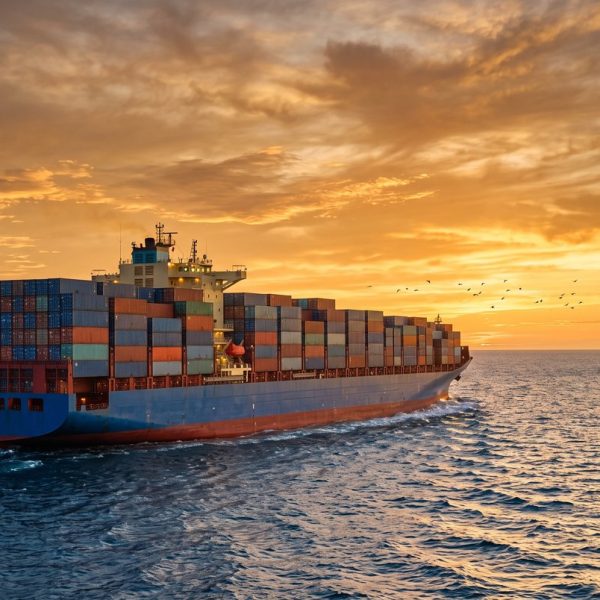


The marine industry is undergoing rapid transformation, driven by digital innovation, shifting global trade routes, sustainability mandates, and rising customer expectations. Ship owners, operators, port authorities, and service providers are rethinking how they work, how they manage fleets, and how they engage with partners. From smart ships to automated documentation, these changes are reshaping business models, operational workflows, and competitive strategies across the maritime value chain.
1. Digitalization Is Rewiring Every Maritime Workflow
The traditional paper-heavy operations of the marine world are steadily being replaced by smart, connected solutions. Digital platforms for chartering, route planning, crew management, and cargo tracking are becoming the norm rather than the exception. This shift is not just about convenience; it dramatically lowers errors, speeds up decision-making, and ensures better compliance with international regulations.
One of the most impactful areas of digitalization is financial and administrative documentation. Invoices, contracts, and bills of lading can now be created, processed, and stored in the cloud, enabling teams across continents to collaborate in real time. Tools such as an online invoice generator help marine companies standardize billing, reduce paperwork, and ensure faster, more accurate payments between ship owners, suppliers, and clients.
2. Automation and Smart Ships Are Redefining Fleet Operations
Advanced automation systems are making vessels safer, more efficient, and easier to operate. Engine performance monitoring, predictive maintenance, and automated navigation support reduce human error and allow operators to optimize fuel consumption and minimize downtime. Smart sensors collect real-time data on everything from hull stress to cargo temperature, feeding it into analytics systems for quick, informed decisions.
Over time, these integrated technologies are transforming ships into highly connected assets. Fleet managers can monitor multiple vessels from shore-based control centers, optimizing schedules and maintenance plans. As regulatory bodies respond to these innovations with updated guidelines, companies that embrace automation will be better positioned to remain compliant and competitive.
3. Sustainability and Green Shipping Are No Longer Optional
Environmental regulation is tightening worldwide, and the marine sector sits at the center of this shift. New rules on emissions, fuel types, and waste management are forcing operators to rethink how they power and operate vessels. Low-sulfur fuels, LNG, hybrid propulsion, and even experimental hydrogen and ammonia-powered ships are all becoming viable routes to compliance.
Beyond mandatory regulations, customers and charterers are increasingly factoring environmental performance into their decisions. Companies that invest in energy-efficient designs, hull optimization, and digital fuel monitoring not only cut costs but also strengthen their reputation in an eco-conscious market. Sustainability is now a strategic advantage, not just a compliance task.
4. Advanced Data and Analytics Are Driving Smarter Decisions
The modern marine sector generates enormous volumes of data: route histories, weather reports, port congestion statistics, fuel usage logs, and much more. The organizations that turn this data into meaningful insight can optimize chartering strategies, reduce fuel consumption, and minimize operational risk.
Predictive analytics allows operators to foresee maintenance needs before a breakdown occurs, reducing costly off-hire periods. Data-driven route optimization improves arrival accuracy, boosts fuel efficiency, and supports just-in-time logistics. Even back-office functions—like revenue management and contract analysis—benefit from better forecasting and performance metrics.
5. E-Documentation Is Transforming Compliance and Administration
Marine businesses have traditionally relied on stacks of physical paperwork: certificates, customs documentation, cargo manifests, and unsigned or misplaced invoices. This approach is slow, vulnerable to loss, and difficult to audit. Digital documentation platforms are changing this reality, providing secure, centralized access to all critical files.
E-signatures, digital certificates, and cloud-based archives mean that documents can be verified, shared, and retrieved in seconds. Regulators, port authorities, insurers, and counterparties gain better visibility and traceability. This digital shift not only reduces administrative overhead but also strengthens compliance and reduces the likelihood of disputes.
6. New Logistics Models Are Reshaping Global Trade Flows
Global supply chains are becoming more complex and more fragile. Geopolitical tension, climate events, and changing trade policies are forcing the marine sector to adapt quickly. Short-sea shipping, feeder networks, and nearshoring strategies are altering traditional long-haul routes, while customers demand faster, more transparent service.
This environment has encouraged closer integration between shipping companies, freight forwarders, ports, and inland logistics providers. Shared platforms for tracking cargo and syncing schedules are becoming essential. Operators that can flexibly adjust routes, manage multi-modal logistics, and collaborate digitally with partners stand to gain significant market share.
7. Cybersecurity Has Become a Core Operational Priority
As vessels, ports, and logistics networks become more connected, the attack surface for cyber threats expands. A compromised navigation system, a disrupted terminal network, or a hijacked administrative account can lead to serious safety risks and financial losses. The marine industry is responding by raising cybersecurity to the top of the risk management agenda.
Shipowners and port operators are now implementing secure communication protocols, network segmentation, frequent software updates, and staff training programs. Vendors are expected to meet stricter cybersecurity standards, and insurers are accounting for cyber risk in their coverage requirements. Protecting digital assets is increasingly as important as maintaining physical infrastructure.
8. Customer Expectations Are Pushing Toward Transparency and Speed
Shippers and cargo owners no longer accept limited visibility or slow communication. They want real-time updates, accurate ETAs, and prompt documentation. Marine service providers who deliver these experiences through digital portals and automated notifications build stronger, longer-lasting relationships.
This demand for transparency is pushing companies to upgrade their systems for tracking cargo, sharing documents, and settling accounts. Automated notifications, integrated billing systems, and self-service portals enable clients to access the information they need, when they need it, without back-and-forth emails or phone calls.
9. Talent and Skills Are Evolving Alongside Technology
With the rise of automation, data analytics, and digital platforms, the skills required in the marine industry are changing. Crews and office staff must understand not only traditional seamanship and operations, but also digital tools, data interpretation, and cybersecurity awareness. Companies are investing in training, upskilling, and new recruitment strategies to keep pace.
Hybrid roles that combine maritime expertise with digital fluency are becoming particularly valuable. Professionals who can bridge on-board operations with shore-based systems help organizations unlock the full potential of their technological investments and maintain safety and reliability standards.
Conclusion: Preparing for the Future of Marine Operations
The marine industry is moving quickly toward a more digital, sustainable, and data-driven future. Organizations that modernize their systems, automate critical workflows, and embrace greener operations will be positioned to thrive in this changing environment. Those that cling to outdated processes risk rising costs, compliance problems, and lost business.
Success in this new era requires a holistic approach: upgrading ships and equipment, securing digital infrastructure, investing in people, and modernizing administrative and financial practices. By doing so, marine businesses can not only keep pace with global change but also unlock new efficiencies, strengthen customer relationships, and build long-term resilience at sea.