Major Vessels And Maritime Events You Should Know.
10 December, 2025· Article by Taylor Bennett



The maritime world has shaped global trade, warfare, technology, and even culture for thousands of years. From ancient triremes slicing through Mediterranean waters to massive container ships powering modern commerce, vessels and sea-based milestones have repeatedly transformed how nations connect and compete. Understanding the pivotal ships and turning points at sea offers a clearer view of how today’s globalized economy—and even digital industries like e‑commerce and buy backlinks strategies—came to rely on fast, efficient, and reliable worldwide networks.
1. Ancient Phoenician Trading Ships
Long before modern shipping lanes, the Phoenicians dominated Mediterranean trade using sturdy, innovative vessels. Their ships, often built with cedar wood and reinforced with advanced joinery, enabled them to transport purple dyes, glass, and luxury goods across vast distances. These maritime routes created some of the earliest international trade networks, linking distant cultures and setting a precedent for organized, large-scale commerce by sea.
2. Greek Triremes and Naval Power
Greek triremes were sleek warships powered by three tiers of oarsmen, built for speed and maneuverability. They played a key role in conflicts such as the Persian Wars, where naval battles determined political futures. The trireme’s design—light, fast, and tactically flexible—helped codify naval strategy and showed how dominance at sea could decide the fate of empires.
3. Roman Merchant Fleets and Grain Ships
Rome’s strength depended heavily on its ability to supply food to a massive urban population. Large Roman grain ships, some of the biggest of the ancient world, carried wheat from Egypt and North Africa to Rome. These vessels represented a shift from local trade to an organized, empire-wide logistics system, with standardized routes, ports, and storage practices that prefigure modern supply chain management.
4. Viking Longships and Exploration
Viking longships, with shallow drafts and flexible designs, could navigate both open seas and shallow rivers. This allowed Norse explorers, traders, and raiders to reach as far as North America, the Mediterranean, and the rivers of Eastern Europe. Their voyages connected distant regions, spread cultural influences, and demonstrated how versatile ship design can unlock new frontiers for expansion and trade.
5. The Chinese Treasure Ships of the Ming Dynasty
During the early 15th century, the Ming Dynasty launched enormous “treasure ships” under Admiral Zheng He. These ships, vastly larger than contemporary European vessels, embarked on diplomatic and trade missions across the Indian Ocean, visiting Southeast Asia, India, Arabia, and East Africa. They symbolize a period when China projected soft power and economic influence via large-scale, state-sponsored maritime expeditions.
6. Portuguese Caravels and the Age of Discovery
The caravel, a small, highly maneuverable sailing ship developed by the Portuguese, made long-distance ocean exploration feasible. With lateen sails and sturdy hulls, caravels allowed explorers like Bartolomeu Dias and Vasco da Gama to round the Cape of Good Hope and establish direct sea routes to Asia. This dramatically altered global trade patterns, setting up new maritime corridors that bypassed overland trade monopolies.
7. Spanish Galleons and Oceanic Trade Routes
Spanish galleons became the backbone of transoceanic trade in the 16th and 17th centuries. These large, heavily armed ships carried silver from the Americas to Europe and Asia, particularly via the Manila–Acapulco route. The galleon system effectively created a global economic loop, linking the Americas, Europe, and Asia in one of the earliest sustained examples of worldwide commerce by sea.
8. The Mayflower and Transatlantic Migration
The Mayflower, though not remarkable in size or design, is historically significant for carrying English Pilgrims to North America in 1620. This voyage is emblematic of broader transatlantic migration, which reshaped demographics, economies, and political structures on both sides of the Atlantic. It highlights how relatively small merchant vessels could catalyze profound cultural and societal change.
9. HMS Victory and the Age of Sail Warfare
HMS Victory, the flagship of Admiral Horatio Nelson at the Battle of Trafalgar in 1805, represents the pinnacle of wooden warship design in the Age of Sail. As a first-rate ship of the line, it carried over 100 guns and a large crew, serving as a floating fortress. The vessel’s role in securing British naval dominance illustrates how heavily armed fleets could control sea lanes and thereby influence global politics and trade.
10. The Clipper Ships and Speed in Commerce
In the 19th century, clipper ships became synonymous with speed and commercial competition. With narrow hulls and towering masts, they raced to deliver tea, spices, and other valuable cargoes from Asia to Europe and America. Their success demonstrated that faster delivery times could command higher prices and brand prestige—an early analog to modern expectations for rapid logistics and real-time global trade.
11. The RMS Titanic and Maritime Safety Reform
The RMS Titanic, launched in 1912, was celebrated as a technological marvel but is best known for its tragic sinking. The disaster exposed serious shortcomings in safety regulations, including lifeboat capacity and emergency procedures. In response, new international maritime safety conventions were adopted, establishing standards that continue to influence passenger and cargo ship regulations today.
12. HMS Dreadnought and Naval Arms Races
HMS Dreadnought, launched in 1906, revolutionized naval warfare with its “all-big-gun” armament and advanced steam turbine propulsion. It rendered earlier battleships obsolete and sparked a global naval arms race, especially between Britain and Germany. The dreadnought era showed how rapid technological leaps at sea can shift strategic balances and force nations to invest heavily in new maritime capabilities.
13. Liberty Ships and Wartime Logistics
During World War II, Liberty ships were mass-produced cargo vessels built to keep Allied supply lines open. Designed for quick and economical construction, they transported critical materials, troops, and equipment across dangerous waters. Their sheer numbers and efficiency highlighted the importance of scalable, standardized shipbuilding in supporting large-scale military and economic operations.
14. The Suez Canal Openings and Closures
The opening of the Suez Canal in 1869 created a vital shortcut between Europe and Asia, reducing travel distances and reshaping global trade routes. However, periods of closure—such as during mid-20th-century conflicts—demonstrated the vulnerability of chokepoints in the maritime network. These disruptions forced ships to reroute around Africa, increasing costs and transit times, and underscoring how critical strategic waterways are to the global economy.
15. Modern Container Ships and Globalization
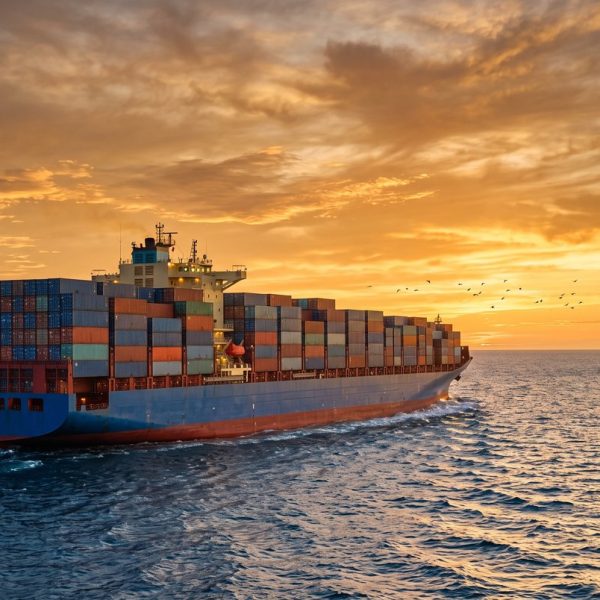
The advent of containerization and the rise of gigantic container ships, such as the Emma Maersk and her successors, transformed shipping economics. Standardized containers simplified loading and unloading, cut port times, and dramatically reduced per-unit transport costs. This innovation enabled just-in-time manufacturing and global supply chains, turning seaborne trade into the backbone of modern globalization and international commerce.
16. Notable Canal Blockages and Supply Chain Shocks
Events like the temporary blockage of key canals by large container vessels have revealed how tightly interlinked global trade has become. When a single ship obstructs a major passage, hundreds of other vessels can be delayed, causing ripple effects across industries, from manufacturing to retail. These incidents remind policymakers and businesses alike that maritime resilience, redundancy, and strategic planning are essential in a world reliant on seamless, high-volume sea transport.
Conclusion
From ancient merchant fleets to colossal container ships, the evolution of vessels and major milestones at sea has continually reshaped global connections. Each development—whether a new hull design, a powerful naval flagship, or a critical waterway—has altered how goods, people, and ideas move around the planet. Recognizing these pivotal maritime contributions offers valuable context for understanding today’s interconnected world, where efficient, reliable, and secure ocean transport remains central to economic growth and international cooperation.
Recent Posts
How a Container Ship Works: In...

Notizie Navi Che Muovono Il Co...

Actualites Navires Qui Influen...

Why the Marine Industry Is Ent...

Noticias Maritimas Clave Que A...